‌‌‌‌
‌
‌

Quick Information

Plan your visit

Did you know?

Manuel Antonio National Park is Costa Rica’s smallest national park but one of its most visited, protecting rainforest, beaches, and marine ecosystems along the Pacific coast.

The park protects over 1,900 hectares of land and more than 55,000 hectares of marine area, creating a habitat for diverse wildlife both on land and underwater.

Manuel Antonio is one of the few places where visitors can walk through rainforest trails and reach tropical beaches within the same protected area.

Is Manuel Antonio National Park worth visiting?

Few places make you feel like you’ve stepped into two worlds at once. At Manuel Antonio, you move from dense tropical rainforest into quiet Pacific beaches, where jungle sounds follow you all the way to the shore. The experience is less about ticking off sights and more about slowing down and noticing life happening around you. The park was created to protect one of Costa Rica’s most unique coastal ecosystems, where rainforest, mangroves, and ocean habitats meet in a small but incredibly diverse landscape. Every turn brings a new perspective, from shaded forest paths to viewpoints opening over the Pacific.

The emotional payoff is the rare feeling of being surrounded by wild nature without leaving comfort behind. Watching monkeys move through the trees, spotting a sloth resting above the trail, or ending your walk by the ocean creates the kind of connection with nature that stays with you long after you leave.

Skip it if: you have very little time in Costa Rica and prefer large adventure activities, long hikes, or adrenaline experiences over a slower wildlife and beach-focused visit.

What to see at Manuel Antonio National Park

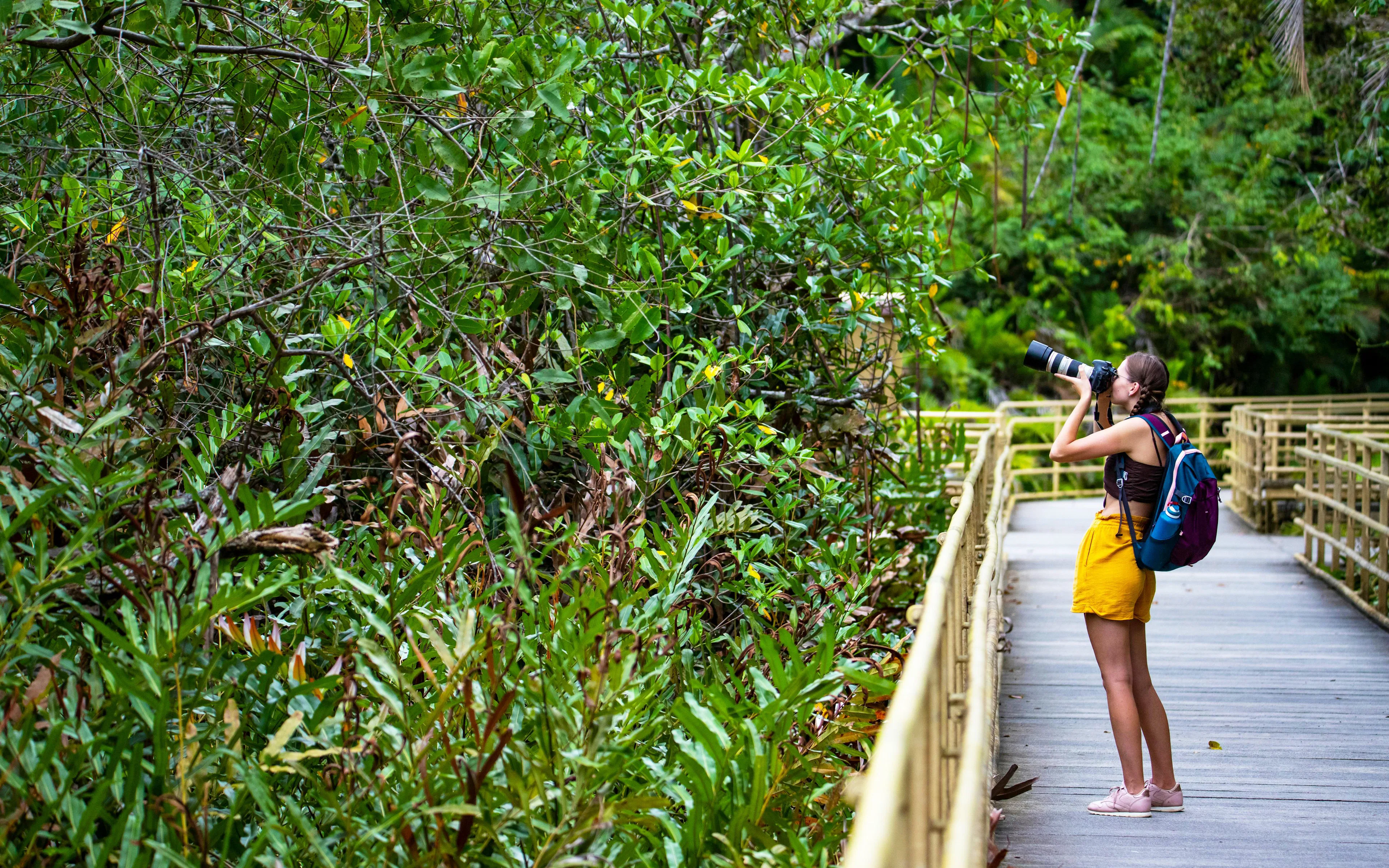
Person photographing wildlife on a forest trail in Manuel Antonio National Park.
1/5

Wildlife along the rainforest trails

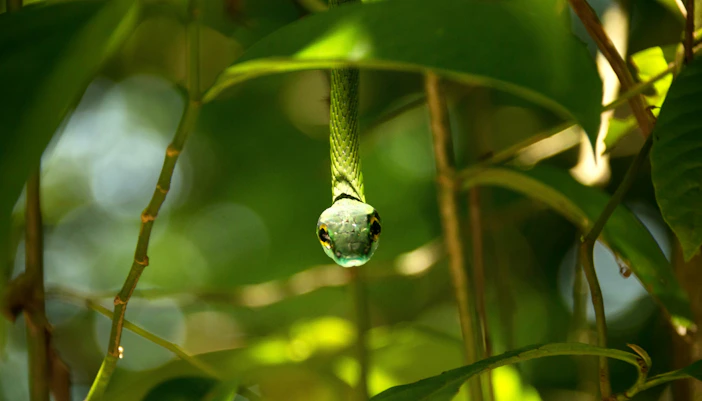
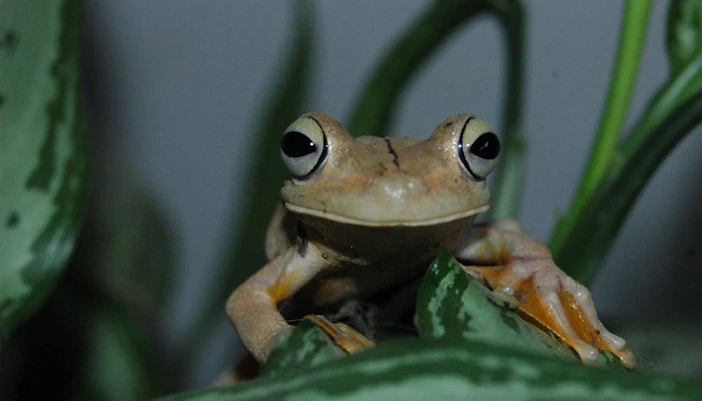
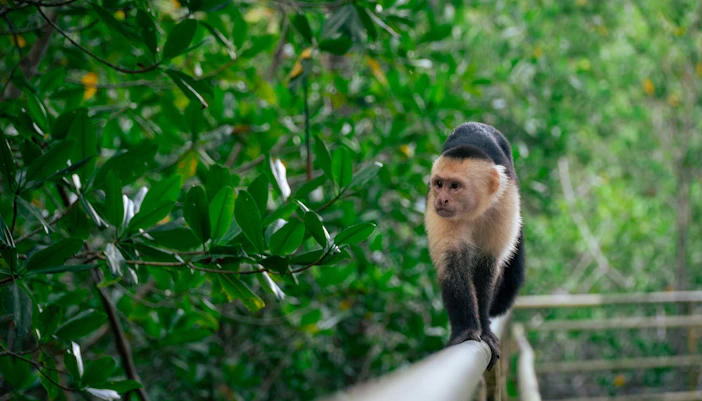
The park’s forest paths are where most wildlife encounters happen. Look up into the canopy for sloths, white-faced capuchin monkeys, howler monkeys, and colourful tropical birds moving through the trees.

Manuel Antonio Beach

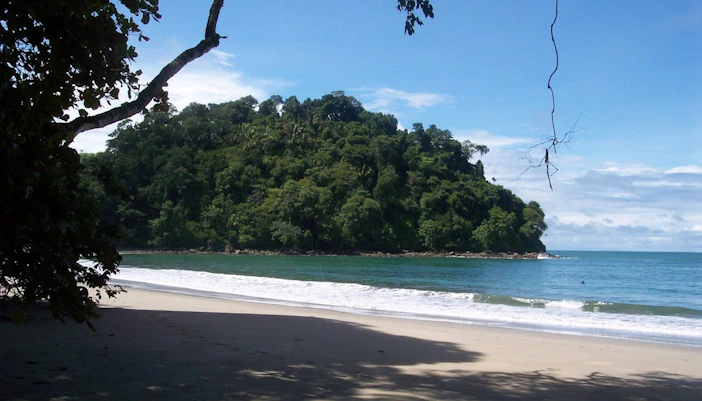
One of Costa Rica’s most scenic protected beaches, surrounded by rainforest and calm Pacific waters. It is a perfect spot to relax after exploring the trails and spotting wildlife nearby.

Punta Catedral viewpoint

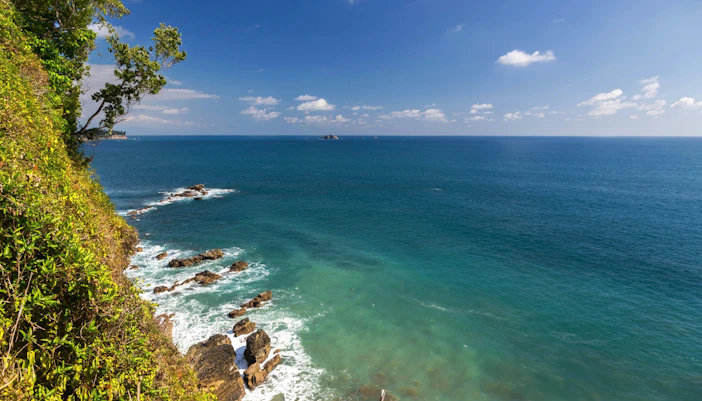
This iconic coastal viewpoint sits on a former island connected to the mainland by a narrow land bridge. Follow the trail for sweeping views of the Pacific and surrounding coastline.

Espadilla Sur Beach

A quieter stretch of sand inside the park where visitors can slow down after their forest walk. The beach offers a more peaceful setting away from the busier areas near the entrance.

Mangrove ecosystem

Explore a different side of Manuel Antonio’s biodiversity through its mangrove habitats. These coastal wetlands shelter unique plant and animal species adapted to life between land and sea.

How to explore Manuel Antonio National Park

How much time to spend?

Budget 3–4 hours for a relaxed visit covering rainforest trails, wildlife spotting, viewpoints, and beach time. The park is compact compared to many national parks, but animal sightings and photo stops can easily extend your visit.

  • Short visit: 2 hours for the main trails and a quick stop at the beach.
  • Longer visit: 4+ hours if you want to explore slowly, wait for wildlife sightings, and spend more time by the coast.
Plan your visit

Best visit order

Start your visit with the rainforest trails while the weather is cooler and wildlife activity is higher. Follow the paths towards Punta Catedral for panoramic Pacific views before ending your walk at Manuel Antonio Beach, where you can relax or swim.

  • Begin with forest trails near the entrance.
  • Continue to viewpoints and coastal paths.
  • Finish at the beach areas for a slower end to your visit.
Explore the park map

Must-see highlights

Must-see: The rainforest trails for spotting sloths, monkeys, and tropical birds; Punta Catedral for dramatic ocean views; and Manuel Antonio Beach for the park’s famous rainforest-meets-coast experience.

Optional: Add the mangrove ecosystem and Espadilla Sur Beach if you have extra time and want a quieter side of the park.

  • Wildlife sightings depend on the day, so move slowly and look up into the canopy.
  • Keep your camera ready, as animals often appear along the walking paths.

Worth adding nearby

Manuel Antonio is located near Quepos, a convenient base with restaurants, cafés, and other coastal experiences. If you have extra time after visiting the park, consider adding a Pacific Ocean activity.

  • Quepos Marina: Enjoy sunset views, restaurants, and boat experiences.
  • Catamaran cruises: Add a coastal perspective with snorkeling, swimming stops, and marine views.
  • Kayaking tours: Explore quieter coastal waters and nearby marine habitats.

Guided or self-paced?

A self-guided visit works well if you want flexibility, enjoy walking trails independently, and mainly want to experience the beaches and scenery.

A guided tour is worth considering if wildlife spotting is your priority. Naturalist guides know where animals usually appear and use spotting scopes to help visitors see sloths, monkeys, and birds that are easy to miss.

Recommended: Choose a guided tour with entry included if it is your first visit or if seeing wildlife is the main reason you are visiting.

Brief history of Manuel Antonio National Park

  • 1972: Manuel Antonio was declared a national park to protect its tropical rainforest, coastal ecosystems, and wildlife from increasing development pressure along Costa Rica’s Pacific coast.
  • 1970s–1980s: Conservation efforts focused on preserving the park’s unique combination of rainforest, mangroves, coral reefs, and beaches while creating visitor trails with minimal impact on the environment.
  • 1990s–2000s: The park gained international attention as one of Costa Rica’s most accessible wildlife destinations, known for its biodiversity and rainforest-meets-ocean landscape.
  • Today: Managed by Costa Rica’s National System of Conservation Areas (SINAC), Manuel Antonio continues to balance tourism and conservation through visitor limits, protected habitats, and sustainable park management.

Frequently asked questions about Manuel Antonio National Park

​Manuel Antonio National Park is known for its rare mix of tropical rainforest, protected beaches, and Pacific coastline. Visitors come here to walk through lush trails, spot wildlife, and experience one of Costa Rica’s most accessible nature reserves.

More reads